Bamboo Removal Cost Sydney
Honest bamboo removal pricing for Sydney and Western Sydney. Typical 2026 cost ranges by job class, the five things that drive the price up or down, and how we quote each stage of an eradication separately rather than guessing on a single phone call. Family-operated, fully insured, Cert3-qualified. Free on-site assessment and written Stage 1 quote within 48 hours.














Satisfied Customers
About ASET Tree Removal
Our Foundation: Arborist Expertise & Integrity
“Upholding the highest standards of arboriculture on every property.”
At our core, we deliver exceptional tree and garden care with the attentiveness only a family business can offer. Led by Ahmad, a Cert 3 qualified arborist currently completing his advanced Cert 5 studies, our technical expertise ensures every recommendation is practical, safe, and long-lasting. Combined with Amy’s client-first communication, our process is streamlined, transparent, and designed to achieve the best results with minimal fuss.
Rated 5 out of 5 stars Based on 58 Customer Reviews on Google & Facebook


The five cost drivers
What makes one bamboo job cost more than another in Sydney
The numbers
Typical Sydney bamboo removal cost — 2026 ranges by job class
Honest ranges from recent Sydney and Western Sydney work. These are not quotes — every site is different and only a site visit gives an accurate number. The ranges below are the realistic ballpark to budget against.
| Job class | Typical 2026 range | Programme length |
|---|---|---|
| Small clumping bamboo Under 2m², newly planted | A few hundred dollars | 1 day to 2 weeks |
| Medium established clump 2–5m², a few years old | $1,500 – $3,500 | 6–12 months |
| Established running bamboo 3–10m², 5+ years | $3,500 – $7,500 | 12–24 months |
| Cross-property running bamboo Bamboo crossing the fence line | $5,000 – $12,000+ | 18–36 months (joint treatment or barrier) |
| Root barrier install Per linear metre | Quoted per linear metre + depth | 1–2 days install |
Pricing reflects all stages of the eradication, not just Stage 1. Honest quotes require a site visit — request one here or call 0425 455 321.
The cheap-quote trap
What a single-day “bamboo removal” quote actually buys
| What you get quoted | What actually happens | 3-year total |
|---|---|---|
| $800 — one-day cut | Visible cutback + surface treatment. Bamboo back in 6–18 months. You re-pay 2–3 times. | $2,400 – $4,800 (+ no eradication) |
| ASET 3-stage programme | Stage 1 quoted upfront. Stages 2 & 3 quoted as needed. Bamboo gone, permanently. | $3,000 – $6,000 (full eradication) |
The maths: a cheap one-day cut + 3 returns is the same total cost as a proper programme — except at the end of the cheap path you still have bamboo. The cheap quote isn’t cheaper; it’s just spread out and ineffective.
Common questions about bamboo removal cost
Bamboo removal cost FAQ — Sydney
How much does bamboo removal cost in Sydney?
For a small new clumping bamboo, a few hundred dollars and one to two visits. For an established running bamboo across 3–10m², expect $3,500 – $7,500 across a 12–24 month programme. Cross-property running bamboo can run $5,000 – $12,000+ over 18–36 months. The honest range comes from a site visit — fixed numbers quoted over the phone are guesses.
Why does bamboo removal cost so much more than other plants?
Because the rhizome network underground is bigger than the bamboo you can see. A single visible shoot can connect to rhizomes running 2-3 metres in every direction. Properly killing the rhizome system takes repeat herbicide treatment over months, then extraction, then maintenance — that’s where the cost comes from. A single-day “cut and treat” only kills what’s visible; the rhizome regrows.
Do you quote a single price or stage by stage?
Stage by stage. Stage 1 (rhizome treatment) is quoted in writing upfront after the site visit. Stage 2 (root-ball extraction) is quoted when we get there, because the cost depends on what Stage 1 reveals about the network. Stage 3 (maintenance) is per visit, only when there’s something to treat. You see every number before each stage starts — no surprises at the end.
Is bamboo removal cheaper if I cut it back first?
Slightly cheaper on Stage 1, sometimes — but it can make the underlying eradication harder. The cut-stem injection method we use is most effective on freshly cut shoots, so if you’ve already cut everything back the herbicide pathway is less reliable. Best to call before cutting back and we’ll advise on whether DIY cutback helps or hurts.
What if my neighbour’s bamboo is coming through the fence?
Two options. Either joint treatment with the neighbour (we treat both sides as one programme — usually cheapest in total) or a root barrier install on your side of the fence (you treat just your side and the barrier stops further rhizome ingress). We assess which makes more sense on the site visit. Cross-property running bamboo is the most expensive class to eradicate properly — see the cost band table above.
Do you charge for the site visit and quote?
No. Free on-site assessment across Sydney and Western Sydney, written Stage 1 quote within 48 hours of the visit. No deposit required to receive a quote.
How much cheaper is DIY bamboo removal?
On the surface — a lot. Realistically — usually more expensive. DIY herbicide use without species ID typically misses the rhizome, the bamboo returns within 12 months, and you’ve already spent the time and the chemical. Most of our jobs are after a DIY attempt has failed.
what we do?
Our Expert Services: For a Healthy & Beautiful Property
We provide a complete suite of services to enhance and protect your property. From the technical skill of removing hazardous trees to the artful science of pruning, our work balances safety, aesthetics, and long-term health.
work progress
Tree Services Made Easy
At ASET Tree Removal, we make your entire experience smooth and straightforward with our clear, step-by-step approach:

1.
Contact Us & Get Started
Reach out for a friendly chat so we can understand your needs, goals, and the results you’re looking for.

2.
Get a Free Price Quote
We’ll provide a detailed, honest, obligation-free quote, tailored to your exact requirements.

3.
Professional & Safe Work
Our qualified, experienced team carries out the work with full attention to safety and precision.
4.
Meticulous Cleanup
We always leave your property tidy and completely hassle-free—ready for you to fully enjoy.
Our Services
Expert Solutions for Every Tree & Garden Need
ASET Tree Removal clears your space safely—quickly, cleanly, and with care.
Tree Removal
Safe Solutions for Every Tree
We remove dangerous, dead, or unwanted trees with expert planning and protection of your property.
Tree Pruning & Management
Healthier, Stronger, Safer Trees
Our pruning improves structure, light, and growth while managing risks, giving your trees a longer life and your garden a neater look.
Soil Testing
Plant with Confidence & Success
We test your soil’s pH and nutrients before planting, ensuring the right conditions for healthy trees, hedges, and lasting garden growth.
Land Clearing
Clear, Prepare & Reset Land
From small blocks to larger sites, we clear trees, shrubs, and overgrowth to give you a clean, build-ready space or fresh garden start.
Hedge Trimming & Shaping
Perfectly Neat & Tidy Hedges
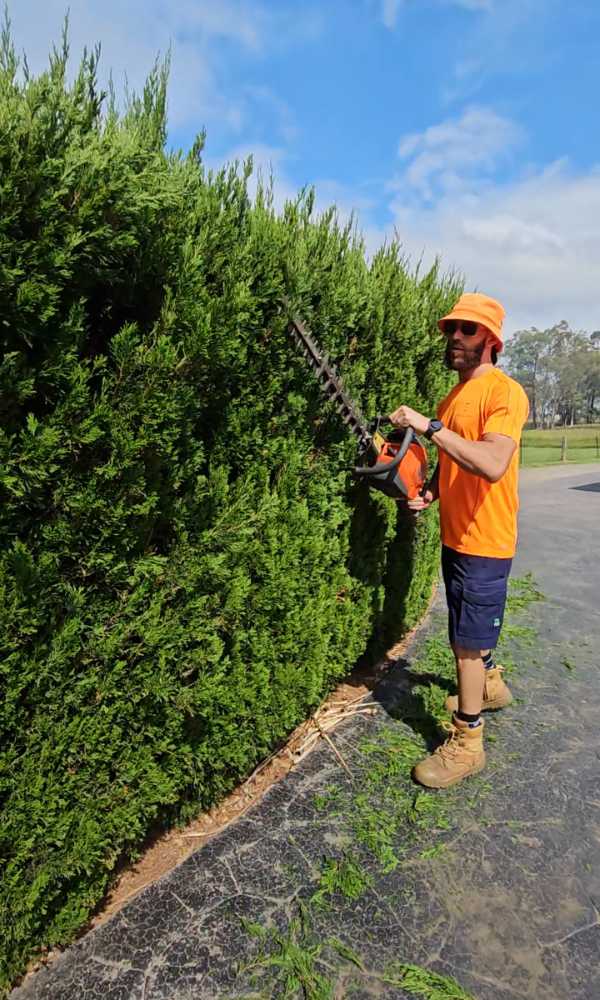
We expertly trim hedges and privacy screens of all sizes, creating clean lines for your property.
Stump Removal
Deep Grinding, Safe Results Anywhere
We specialise in removing stumps of all sizes, grinding them 300–400mm deep for a smooth, clean finish.
Bamboo & Yucca Removal
Stop Invasive Regrowth for Good
We fully remove bamboo and yucca root systems, protecting your garden, pipes, and foundations from ongoing damage.
Garden Rejuvenation & Maintenance
We revitalise overgrown or neglected gardens with soil care, pruning, and planting advice, restoring health, beauty, and lasting vitality.
Chipping & Mulching
Turn Waste into Garden Value
We chip branches and offcuts into organic mulch, which you can reuse to enrich your garden or have us remove responsibly.
Bamboo Removal
Complete Removal, No Regrowth
Specialist bamboo removal across Sydney and Western Sydney. We dig out the entire rhizome network so running bamboo doesn’t come back through the fence or under the pool. Our 3-step Bamboo Eradication Programme handles small backyard clumps and long-running boundary infestations the same way — root and all, gone for good.
Yucca Removal
Out Clean, Gone For Good
Yuccas look great until the taproot starts cracking your paving or the spiked leaves take over the back corner. We extract the full taproot so the plant doesn’t regrow, handle the sharp spike-leaved canopy safely, and clear every bit of green waste from your site. Single ornamental or overgrown clump — either way.
Hedge Trimming & Shaping
Precision Cuts, Healthier Hedges
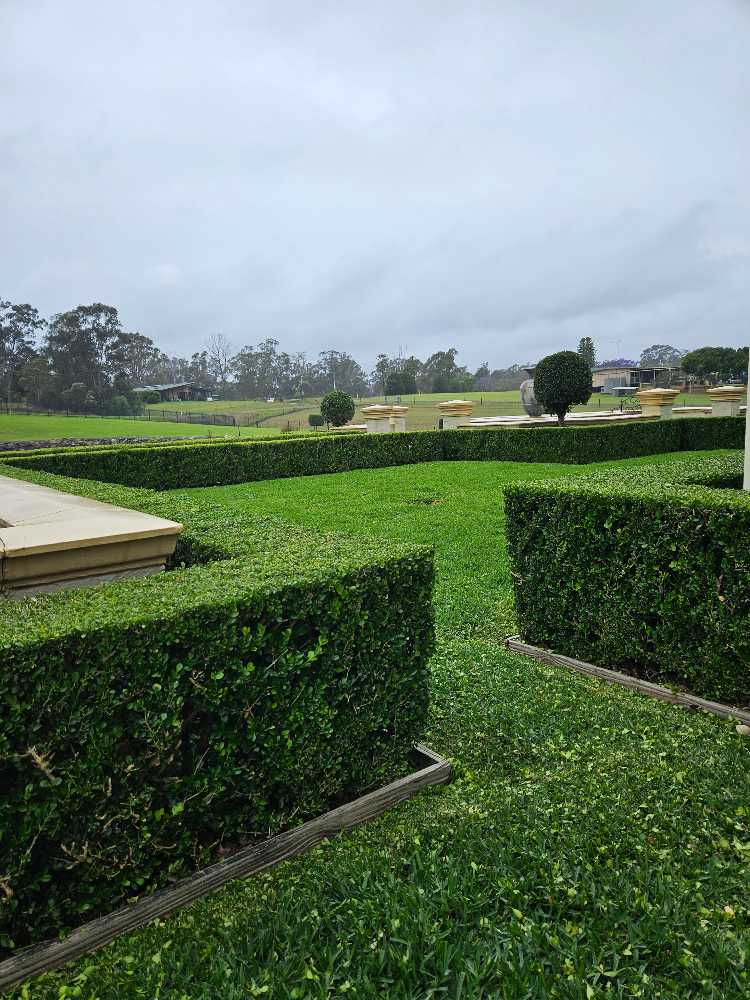
Well-kept hedges add value to your property; neglected ones drag it down. We trim and shape hedges of all sizes, from decorative borders to 10-metre privacy walls, using the right methods for strong, healthy regrowth. Whether it’s regular maintenance or restoring an overgrown hedge, we leave it sharper, thicker, and ready to flush again.
Tree Removal
Safe Removal, Even In Tight Spaces
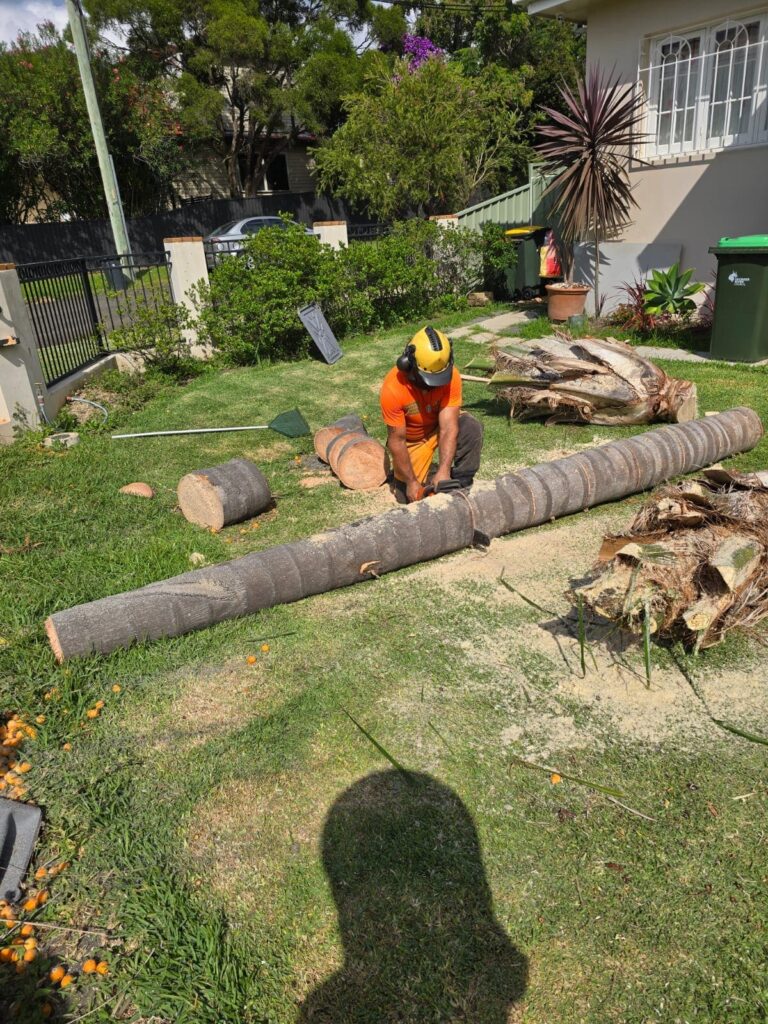
Dead, damaged, or unwanted trees handled by Cert3-qualified arborists with the right gear for the job. We dismantle trees section by section in tight spaces, lower limbs carefully with rigging to protect your property, and clean every piece of debris before we leave. Single backyard tree or full property clearance — we work the same way.
Tree Pruning & Management
Healthy Trees, Better Structure
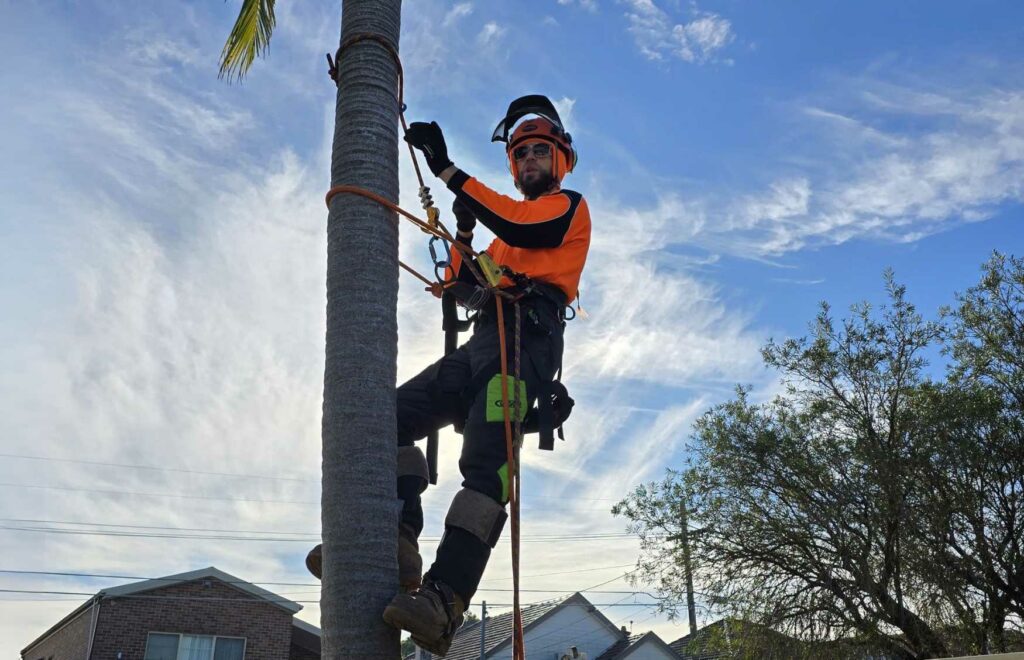
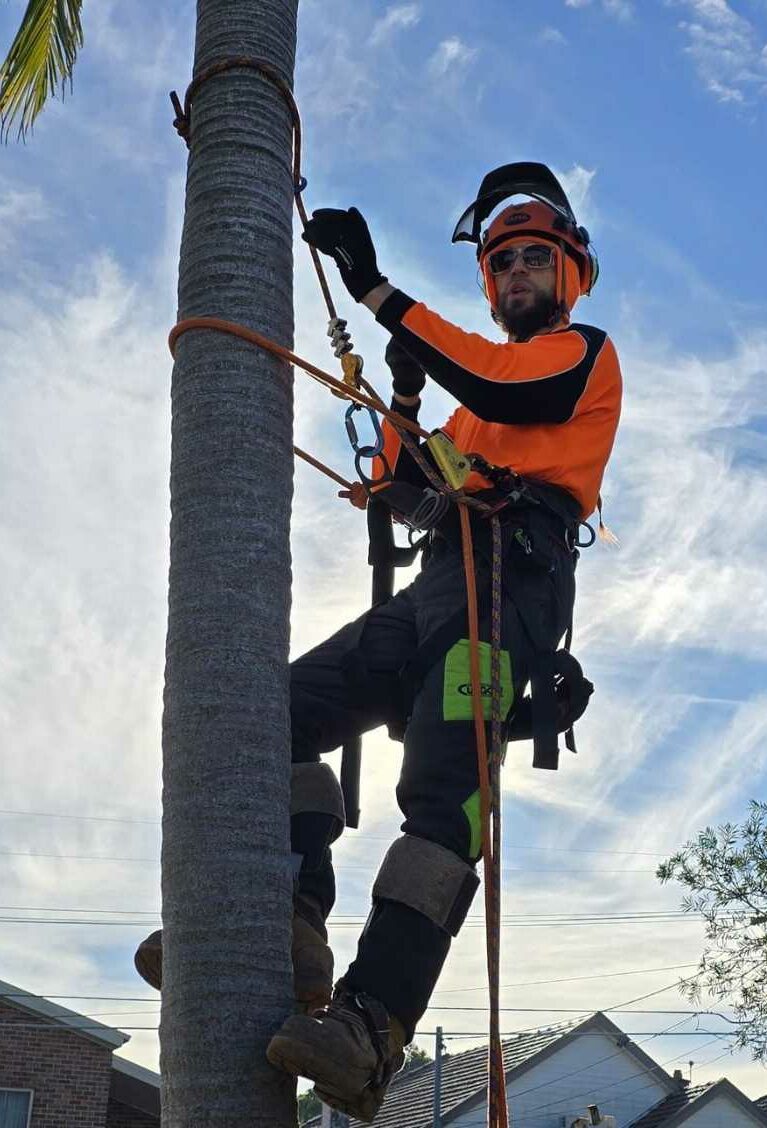
Proper pruning is both a science and an art. We use spikeless climbing techniques that don’t damage the bark, remove deadwood to improve safety, and shape trees for better long-term structure. Every cut is made with arborist-grade equipment and arborist-grade judgment — no random hacking, no over-pruning.
Stump Removal
Stumps Out, Lawn Back
Trees come down, stumps stay — but they don’t have to. We grind stumps below ground level with powerful equipment, reducing the risk of regrowth, termites, and tripping hazards. No chemicals, no waiting, no eyesore left in the middle of your lawn. Tight access? Sub-fence stumps? We handle both.
Land Clearing
Site-Ready, Construction-Ready
Block clearing for builders, bushfire-safety zones for property owners, full property clearances for new builds — we handle every scale of land clearing across Sydney and Western Sydney. Site safe, level, and ready for whatever’s coming next, with all green waste removed and stumps ground out if needed.
Garden Rejuvenation & Maintenance
Tired Gardens, Back To Life
Garden rejuvenation is more than weeding the edges. We assess soil and drainage, prune what needs pruning, plant what should be planted, and give you ongoing maintenance plans so the work holds. Whether it’s a one-off restoration or a regular service, our arborist’s eye for plant health keeps your garden thriving.
Chipping & Mulching
Green Waste, Garden Mulch
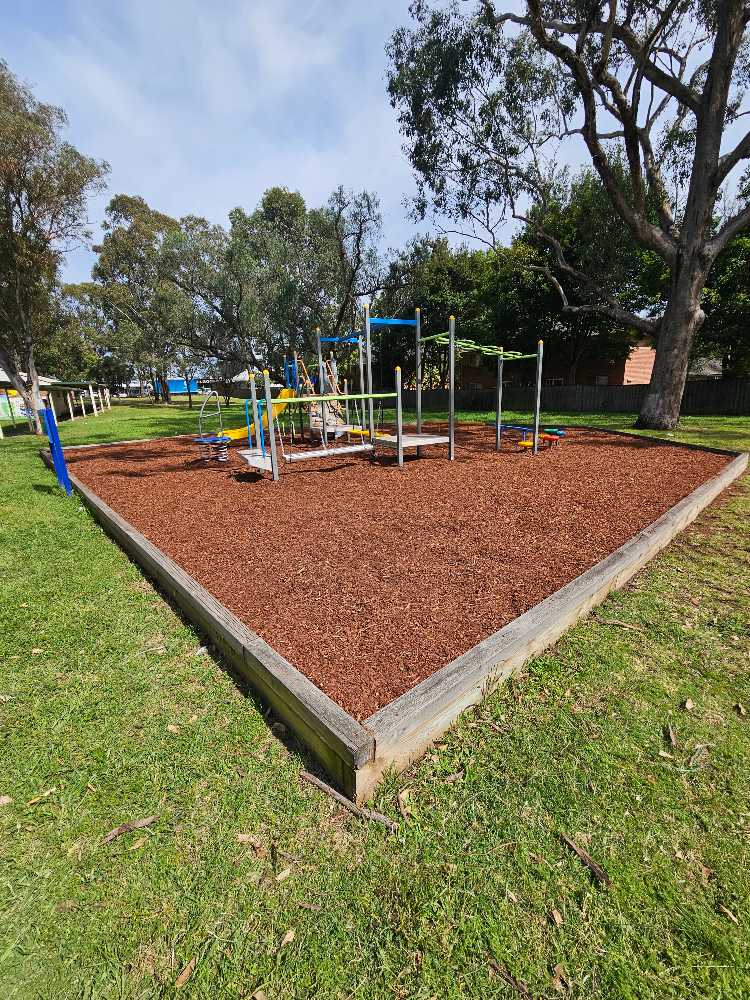
Every job we do creates green waste. Instead of paying for tip fees, we chip branches and limbs on site with industrial chippers and turn them into garden-grade mulch you can spread on the same property. Want it gone instead? We haul it. Either way, your site is left clean and tidy.
see our works
Before & After ASET Tree Removal & Garden Services
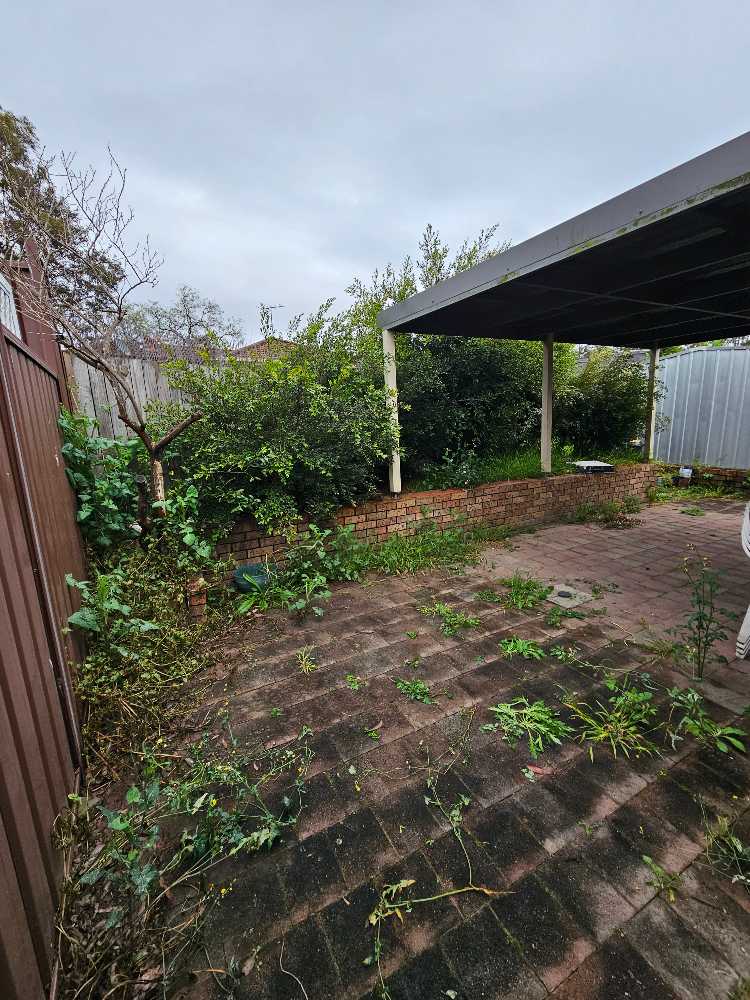
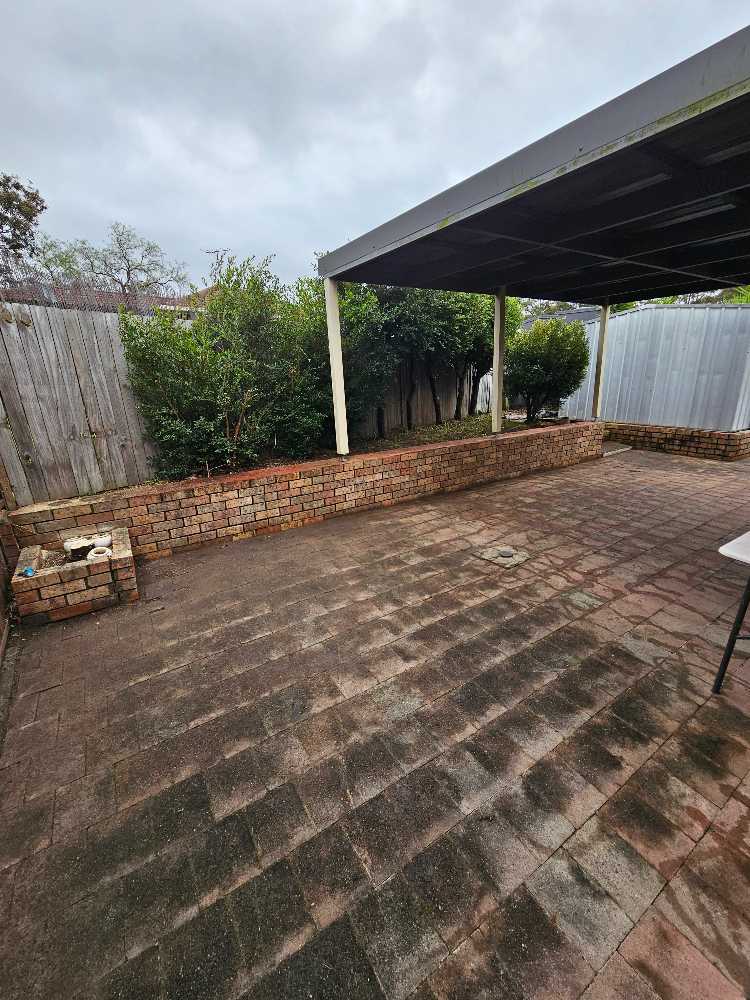
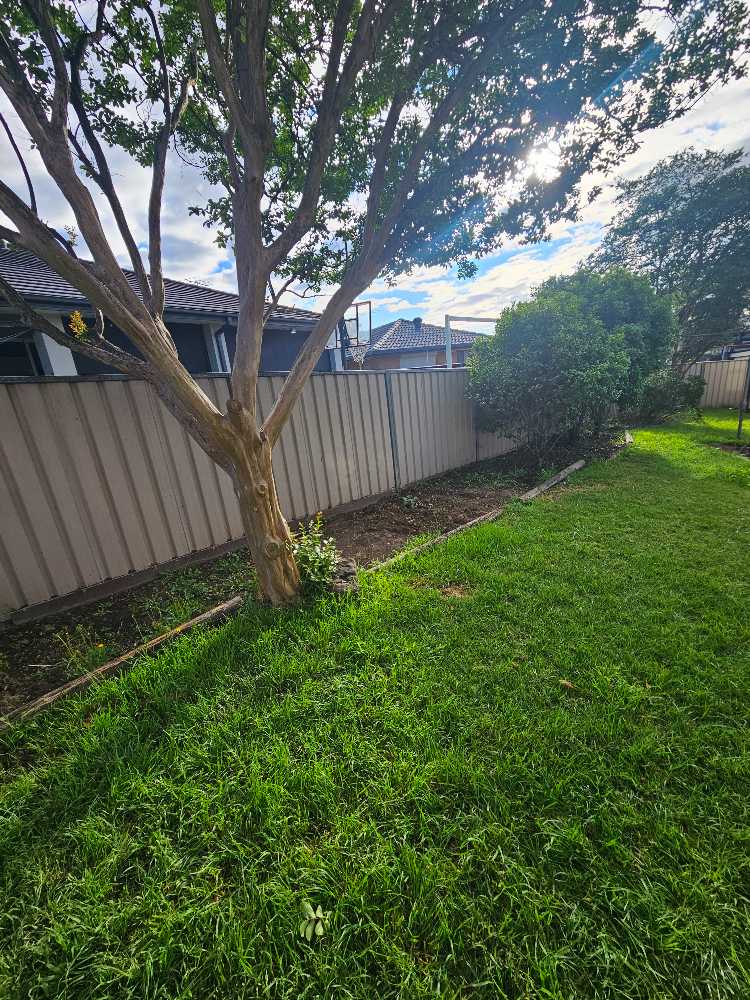
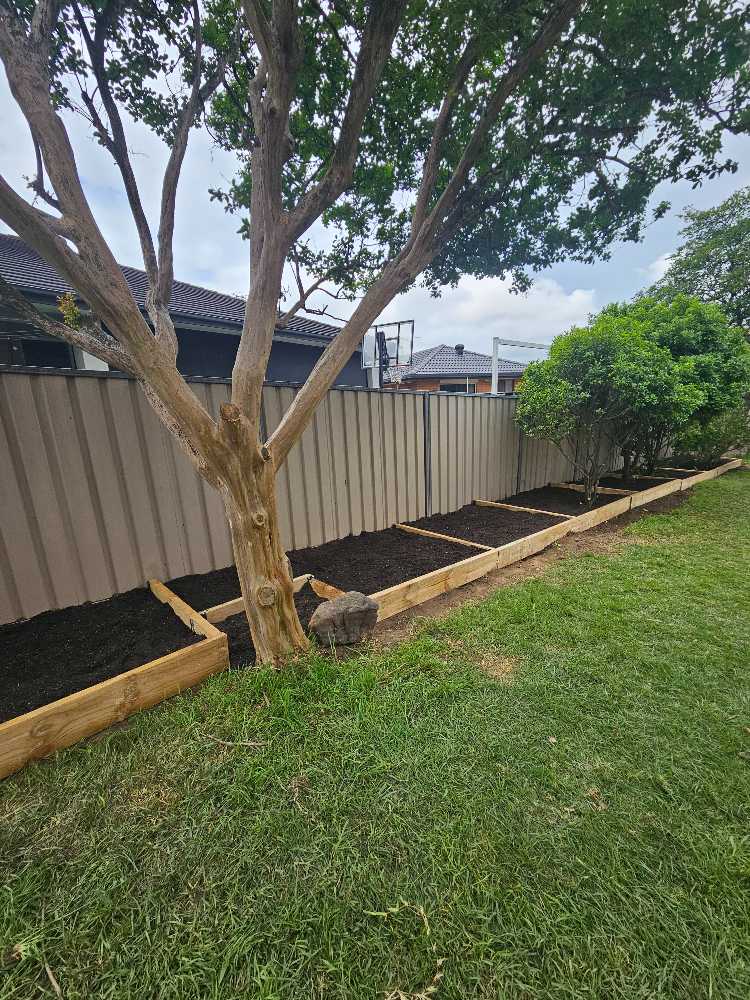
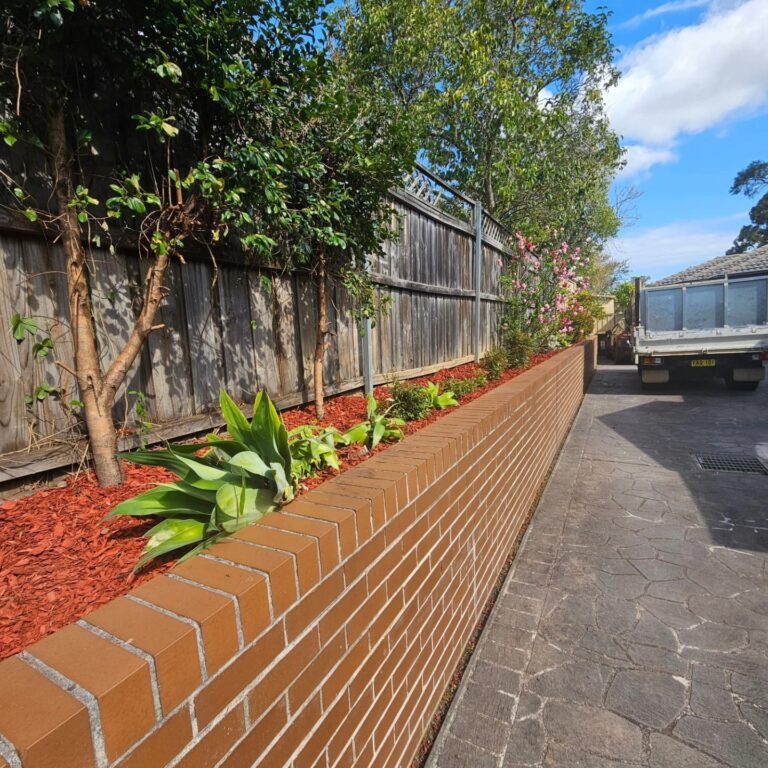
As a hands-on, family-operated business, you receive a level of accountability and personal attention that larger companies can’t match. We treat every property with careful consideration, ensuring our work is minimally disruptive and that we leave your space immaculately clean when the job is done.
Why Choose ASET Tree Services?
The ASET Difference: Honesty, Expertise & A Personal Touch
Choosing ASET Tree Services means working with a team that always puts your best interests first. Our advice is frank and transparent—we’ll recommend the most effective solution, not just the most expensive one. Every job is backed by formal arborist qualifications, full insurance, and the use of state-of-the-art Husqvarna equipment, ensuring your project is completed to the highest professional standards.

We show utmost respect for your property, working carefully to avoid unnecessary damage and always leaving your space safe, tidy, and ready to use.
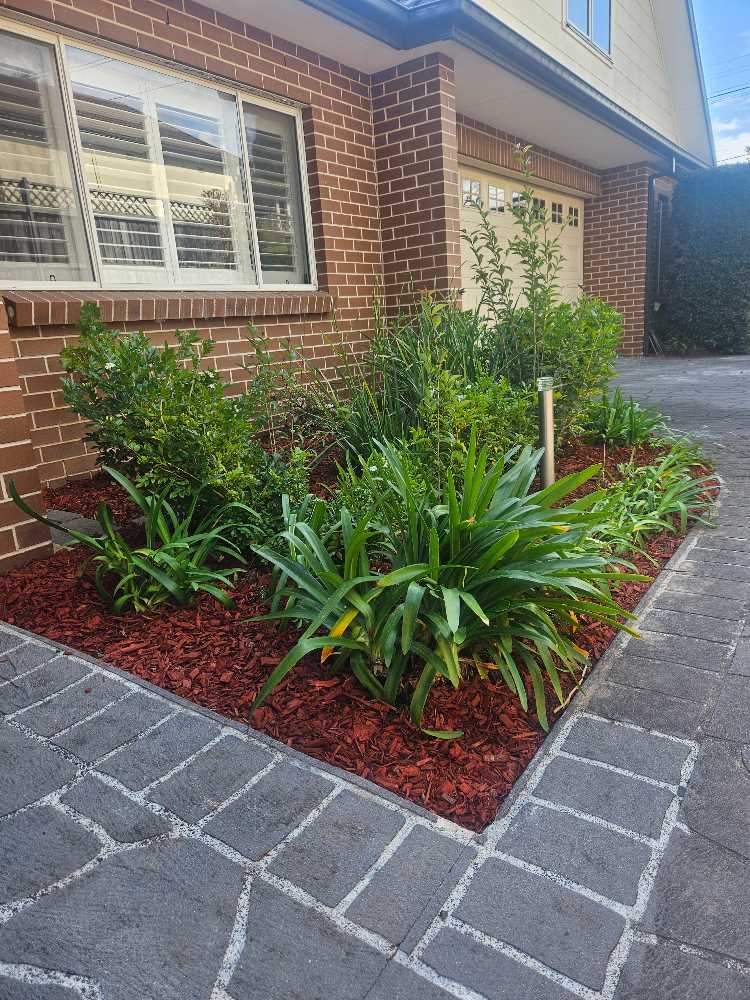
Who We Are
Your Trusted Tree & Garden Experts in Sydney
With over 8 years of hands-on arborist experience, ASET Tree Services is a proud family-run business delivering professional tree removal, pruning, hedge care, and full garden rejuvenation across South-West and Western Sydney.
Based in Hinchinbrook, NSW, we proudly serve homeowners, builders, and commercial clients across suburbs such as Bankstown, Yagoona, Campbelltown, Harrington Park, Blacktown, and beyond—providing safe, skilled, and reliable service on every job.
our social media
5 Star Reviews
Want It Done Right? Call ASET Tree Removal
Trusted Arborist Services Across South-West & Western Sydney
We proudly serve Sydney’s South-West and Western suburbs—including Bankstown, Yagoona, Campbelltown, Harrington Park, Blacktown, and beyond—delivering expert tree removal, pruning, hedge care, and stump solutions that keep clients coming back. With precision, professionalism, and over 8 years of experience, we’re the trusted choice for safe, honest, and reliable tree services across Sydney.
Abbotsbury — Alfords Point — Arndell Park — Ashcroft — Auburn — Austral — Badgerys Creek — Bangor — Bankstown — Barden Ridge — Bardia — Bass Hill — Berala — Beverly Hills — Bidwill — Birrong — Blackett — Blacktown — Blairmount — Blaxcell — Bonnyrigg — Bonnyrigg Heights — Bossley Park — Bow Bowing — Bringelly — Bungarribee — Busby — Cabramatta — Caddens — Camellia — Canley Heights — Canley Vale — Carnes Hill — Carramar — Cartwright — Casula — Casula Mall — Catherine Field — Cecil Hills — Cecil Park — Chester Hill — Chipping Norton — Chullora — Claymore — Clyde — Colebee — Colyton — Condell Park — Constitution Hill — Currans Hill — Dean Park — Denham Court — Dharruk — Doonside — Eagle Vale — East Hills — Eastern Creek — Edensor Park — Edmondson Park — Elizabeth Hills — Emerton — Erskine Park — Eschol Park — Fairfield — Georges Hall — Girraween — Gledswood Hills — Glendenning — Glenfield — Glenmore Park — Glenquarie — Granville — Green Valley — Greenacre — Greendale — Greenfield Park — Gregory Hills — Greystanes — Guildford — Hammondville — Harrington Park — Harris Park — Hassall Grove — Hebersham — Heckenberg — Hinchinbrook — Holroyd — Holsworthy — Horningsea Park — Horsley Park — Hoxton Park — Huntingwood — Illawong — Ingleburn — Ingleburn Milpo — Kearns — Kemps Creek — Kings Langley — Kings Park — Lakemba — Lalor Park — Lansdowne — Lansvale — Len Waters Estate — Leppington — Lethbridge Park — Lidcombe — Liverpool — Long Point — Lucas Heights — Luddenham — Lugarno — Lurnea — Macquarie Fields — Macquarie Links — Manahan — Marayong — Mays Hill — Menai — Menai Central — Merrylands — Middleton Grange — Miller — Milperra — Minchinbury — Minto — Minto Heights — Moorebank — Mount Annan — Mount Druitt — Mount Druitt Village — Mount Lewis — Mount Pritchard — Mount Vernon — Mulgoa — Narellan — Narellan Vale — Narwee — Northmead — Oakhurst — Old Guildford — Old Toongabbie — Orchard Hills — Oxley Park — Padstow — Padstow Heights — Panania — Parramatta — Peakhurst — Peakhurst Heights — Pemulwuy — Pendle Hill — Picnic Point — Pleasure Point — Plumpton — Potts Hill — Prairiewood — Prestons — Prospect — Punchbowl — Raby — Regents Park — Regentville — Revesby — Riverwood — Rookwood — Rooty Hill — Rosehill — Roselands — Rossmore — Rydalmere — Sadleir — Sandy Point — Sefton — Seven Hills — Shalvey — Silverwater — Smeaton Grange — Smithfield — South Granville — St Andrews — St Clair — St Johns Park — St Marys — Toongabbie — Tregear — Varroville — Villawood — Voyager Point — Wakeley — Wallacia — Warwick Farm — Wattle Grove — Wentworth Port — Wentworthville — West Hoxton — Westmead — Wetherill Park — Whalan — Wiley Park — Willmot — Woodcroft — Woodpark — Yagoona — Yennora
testimonials
What Clients Say
Our clients love our work—here’s what they’re saying about ASET Tree Removal.
Contact Us to
Make An Appointment
Ready to reclaim your yard by removing that dangerous tree, overgrown hedge, or stubborn stump? Even tricky access jobs are no problem for our experienced team and specialised equipment.
Booking with ASET Tree Removal is fast and hassle-free. Just fill out the short form below, and Api will be in touch within 24 hours to discuss your job and lock in a time that works for you.
Or ask your question here
Fill in the form, we’ll call back!
Business Hours
Monday Open 24 hours
Tuesday Open 24 hours
Wednesday Open 24 hours
Thursday Open 24 hours
Friday Open 24 hours
Saturday Open 24 hours
Sunday Open 24 hours